Saving Energy Through Service Design: How Helsinki Helps Residents Renovate for Sustainability

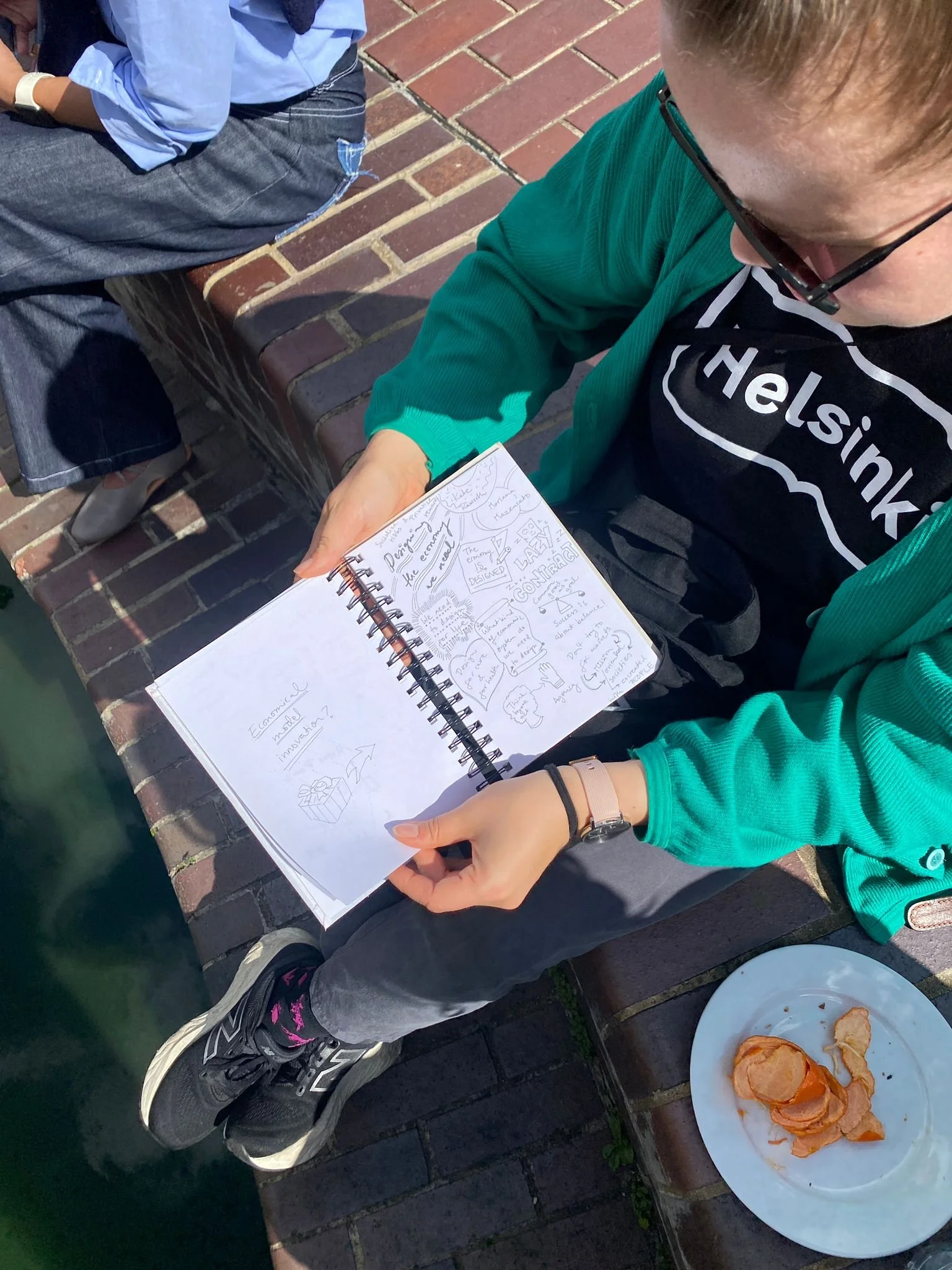
This is a blogpost made from episode 608 of Diseño y diáspora -podcast. It was originally published on Linkedin Pulse here. It is published within Emma’s portfolio as she is being interviewed in the podcast, which you can also listen to on Spotify.
Mariana Salgado interviewed Emma Berg, a service designer working for the City of Helsinki, about an innovative public service that helps housing companies in Finland reduce energy consumption through building renovations. This conversation is part of a special sustainability series, highlighting how design can drive meaningful change in cities around the world.
Designing a Service from Scratch
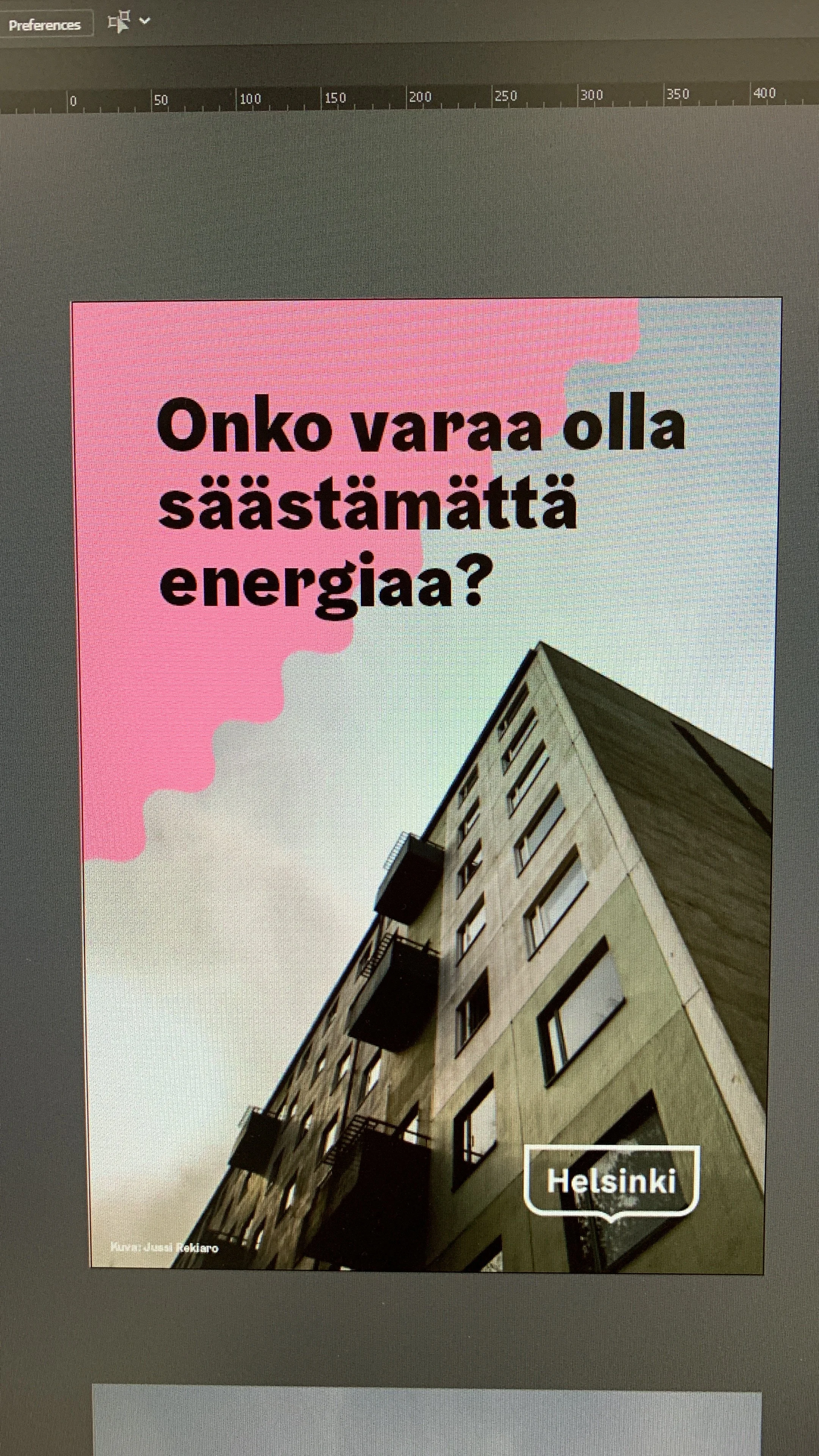
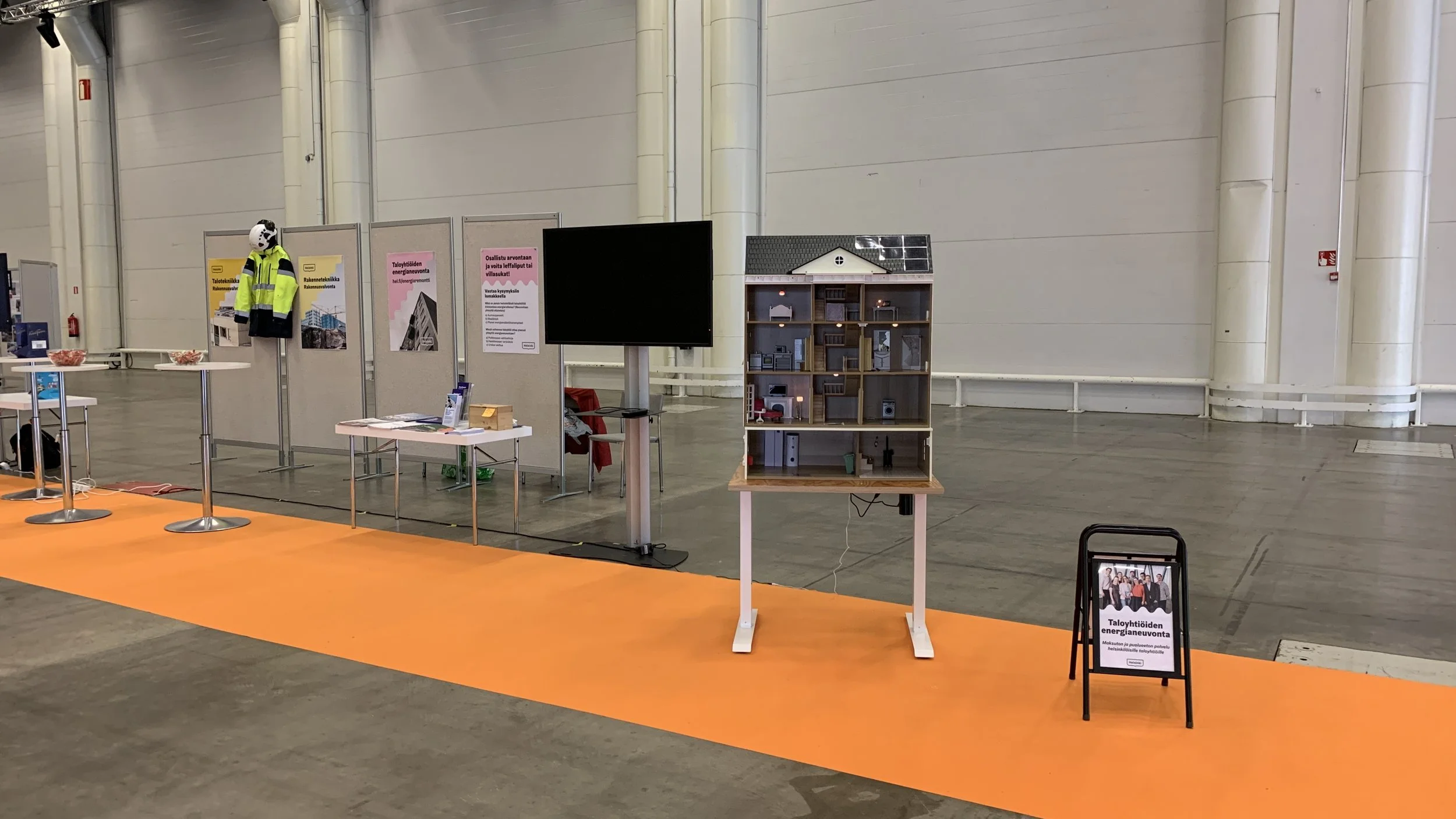
Emma Berg shares that, since 2021, she has been involved in developing a free energy advisory service for housing companies in Helsinki. The main goal is to reduce emissions, but for many residents, the primary motivation is saving money and improving energy security.
In Finland, a “housing company” is a cooperative of residents who jointly own and manage an apartment building or group of buildings. Major renovations—especially those affecting the building as a whole—are decided collectively.
How the Service Works
Any resident in Helsinki can access the energy advisory service through the city’s website. Depending on their role (board member, owner, or resident), they receive personalized support from an engineer specializing in energy solutions. This expert explains the pros and cons of different renovation options and guides the group through the decision-making process.
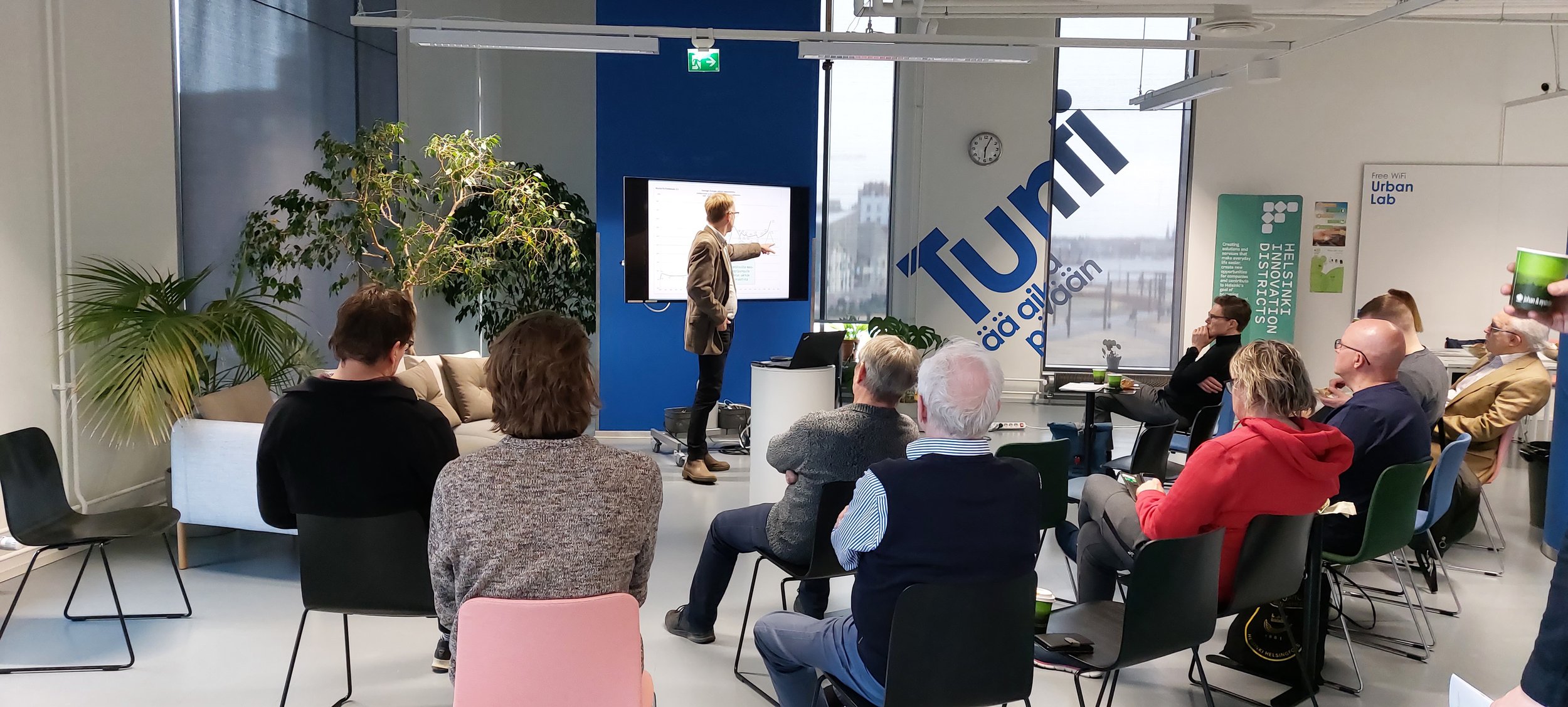
Emma emphasizes the importance of involving the entire community in these decisions. Ideally, the advisory service attends board or general meetings, ensuring everyone is informed and can participate in discussions about potential renovations.
Challenges and Lessons Learned
One of the biggest challenges was making residents aware of the service. Initially, most users came from wealthier neighborhoods, highlighting an equity gap in access. To address this, the team shifted their outreach efforts—promoting the service in libraries, at local events, and in neighborhoods with greater need.
Emma points out that energy renovations are a social phenomenon: when one building undertakes improvements, neighboring buildings often follow suit. Recognizing this, the team began targeting housing companies in areas where they could maximize their impact and encourage a ripple effect.
The Role of Service Design
Service design was crucial from the start. Emma helped define the service’s name and identity, and she implemented systems for gathering and analyzing user feedback. This allowed the team to better understand who was using the service—and who was not—so they could adjust their outreach and make the service more inclusive.
The team also experimented with new approaches, such as holding events in libraries and hiring additional designers to lead pilot projects in different parts of the city.
Measuring Impact
The success of the service is evaluated through metrics such as the number of renovations initiated and user feedback. However, Emma notes that results can take time to materialize, as decision-making within housing companies is often slow and complex.
Despite these challenges, the service has grown and adapted, demonstrating that a people-centered, experimental approach is key to scaling up energy efficiency in urban environments.
Conclusion
This episode illustrates how service design can transform public policy and create tangible benefits for citizens. Helsinki’s experience shows that listening to users, experimenting with new strategies, and working collaboratively are essential ingredients for building more sustainable and equitable cities.
Interested in learning more about design, sustainability, and public policy? Don’t miss future episodes of Diseño y Diáspora. You can find more episodes in English here: https://disenoydiaspora.org/categoria/series/finnish-design-in-the-public-sector/
Read more about the energy advisory service: https://energiaremontti.hel.fi/