Sustainability in practice - the real techniques of experts
Fall 2025 I went on an exchange while working for the city of Helsinki. I moved from working with energy services to working directly under the design director of Helsinki. During this time I completed a inquiry project of my own. My goal was to find out how the sustainability experts inside the city actually get things moving while trying to achieve strict sustainability targets and changes. And then I wanted to theorize and experiment, how design or a designer like me could play a role in this work.
My goal in the study was to uncover best practices, while also understanding the big picture of sustainability work in Helsinki. I approached the project like a design process, so I started with inquiry: I read all the documentation of the city’s sustainability work, everything that I could get my hands on. Then I interviewed or discussed with roughly 20 experts, who actually do the footwork in the field. Most of the interviewees were from Helsinki, but I included a few from other Finnish cities as well. After the interviews, I analyzed and summarized the findings with an eye on one word: HOW, as I was looking for best practices.
I know my study was not actual research, it was more an inquiry into the matter inside the city. My aim was to find some actionable best practices, that could be shared back to the community to boost the impact of sustainability work inside the city. I also uncovered many higher level models of sustainability work as well as possible opportunities to utilize.
The biggest findings of the big picture of sustainability work
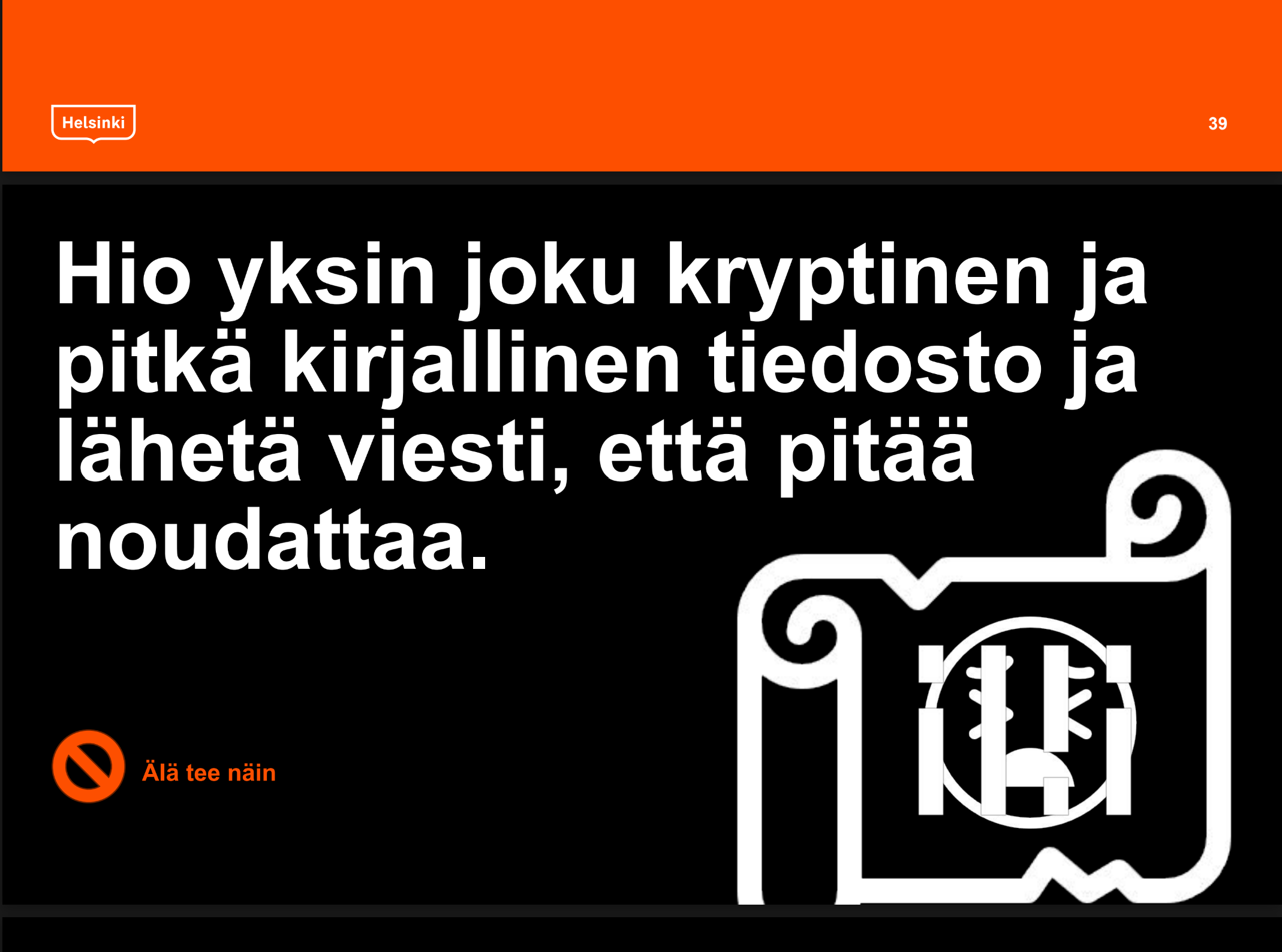
The amount of guiding documents is huge, it is difficult to see the big picture
There is a lack of practical resources and support for implementation
Sustainability work is mostly conducted by women
There is a clear path dependency in what gets done
Experts´ personal contacts are ESSENTIAL in getting things done
Sustainability work is not seen as something that deals with behavior change
Impact is mostly created with people skills: communication, teamwork and participatory skills
Opportunities include experimentation, using behavioral science and boosting communications
The biggest findings from sustainability experts’ best practices
Solutions and changes need to be created (and tested) together in the working environment and that makes people more invested in the targets and goals
Understanding people is key: Who are you working with, what to they need, how do they operate and what do they think?
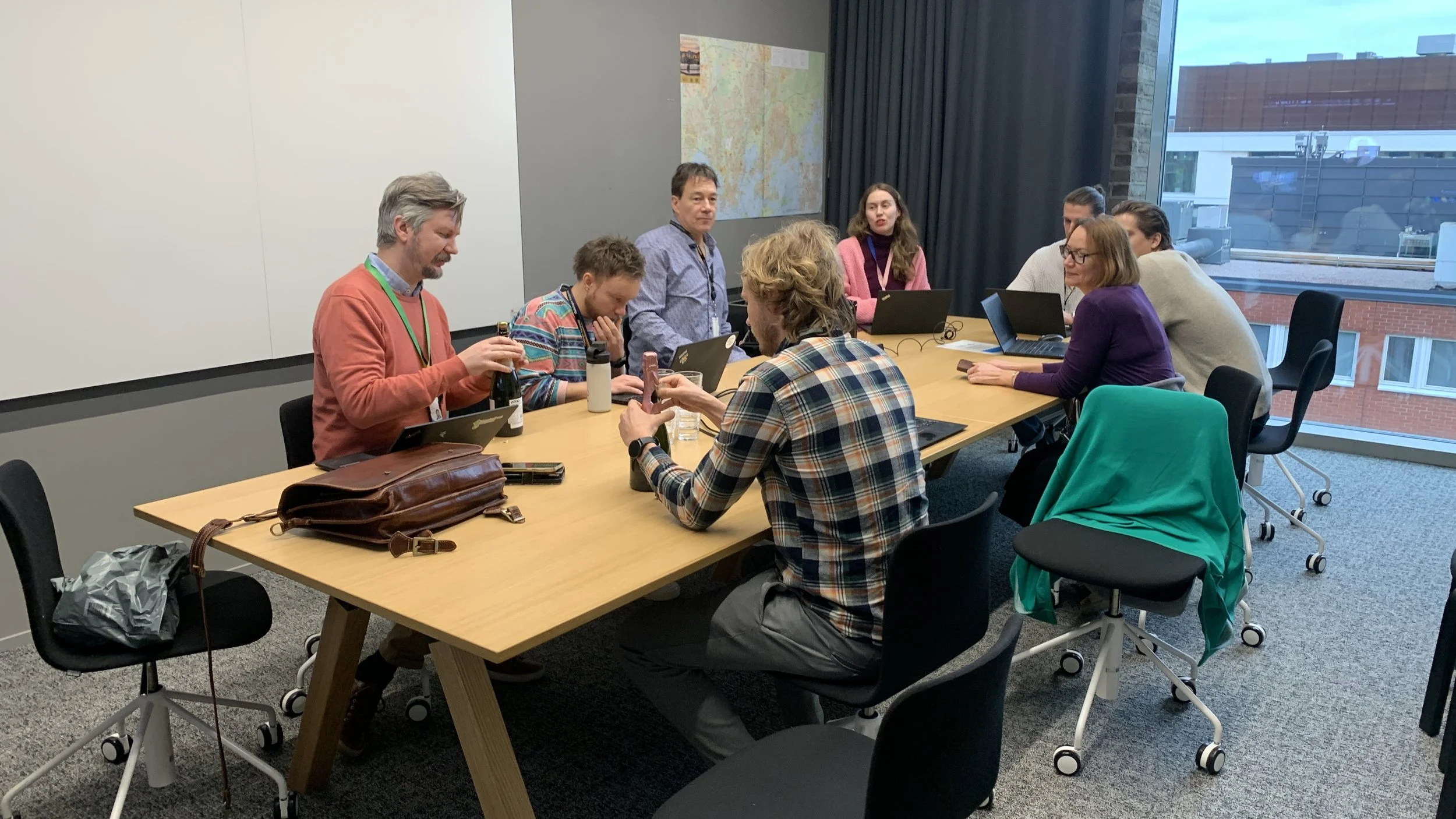
For example it is crucial to be physically present, and bringing something to eat in meetings is always a good idea
For example it is necessary to understand whether someone should be contacted via phone or not, and what time of day works for meetings.
Tailoring communcations to fit the target group is essential, and catching people’s attention
For example: Argument through something that the target group values: whether it is savings, or less complaints
Utilize the organizations structures and opportunities to succeed
For example getting an intern or summer worker to increase labour resources
For example giving small rewards and highlighting success stories to create positive loops.
Spreading best practices via trainings
After summarizing the materials, I made a summarizing presentation material and invited everyone I had interviewed back to hear the results. I organized these training sessions for the majority of employees working with sustainability, and tried to spread the message as far as possible. I also had separate meetings with the leadership of sustainability topics in the city to discuss findings that were related to leadership or management.
If you want to know more, get to know the training materials in this Google drive presentation: Sustainability in practice - presentation material
The materials also include some information on a behavioral change theory, as I saw it as an opportunity to increase the impact of the work done by sustainability experts.
“This has been the best training session of the year! Like getting a Christmas present early!”
Experimenting with design to increase impact of sustainability work
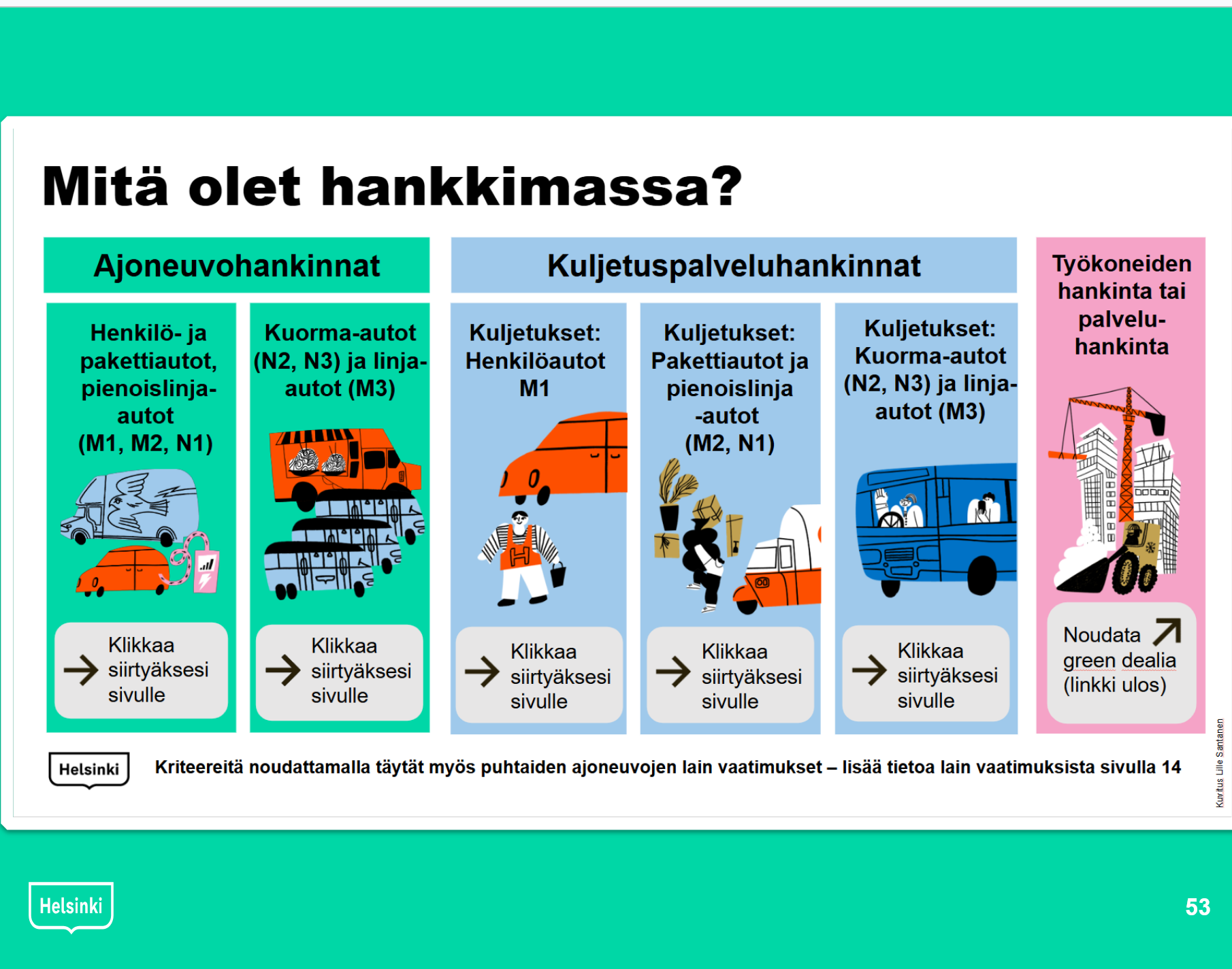
After interviewing the experts I began to see opportunities in utilizing design to improve the impact of sustainability work. I teamed up with experts that were working with criteria regarding the carbon emissions of city owned vehicles like busses and cars.
I used my research skills to first inquire upon the needs of the criteria users and then used my design skills to improve to criteria document to be more easily usable. Then we tested the new document with the actual users. The feedback from the users was very positive, and they saw clear benefits in the improvements.
The experimentation was a success also from the perspective of the experts participating in creating the criteria in the first place:
“This has been an amazingly good collaboration. The result is on a whole new level!”
“During our project together, I have gotten so many new ideas regarding the implementation of other criteria as well.”